



Creating a productive home office space can make a significant difference in your work efficiency and overall well-being. Whether you’re working from home full-time or occasionally, designing a workspace that supports focus, comfort, and organization is key. This guide offers practical tips to help you build a home office that enhances productivity while fitting your unique needs.
Choose the Right Location
Find a Quiet Spot
Select a space in your home that minimizes distractions. A quiet corner or a separate room can help you stay concentrated. If silence isn’t possible, consider noise-cancelling headphones or a white noise machine.
Consider Natural Light
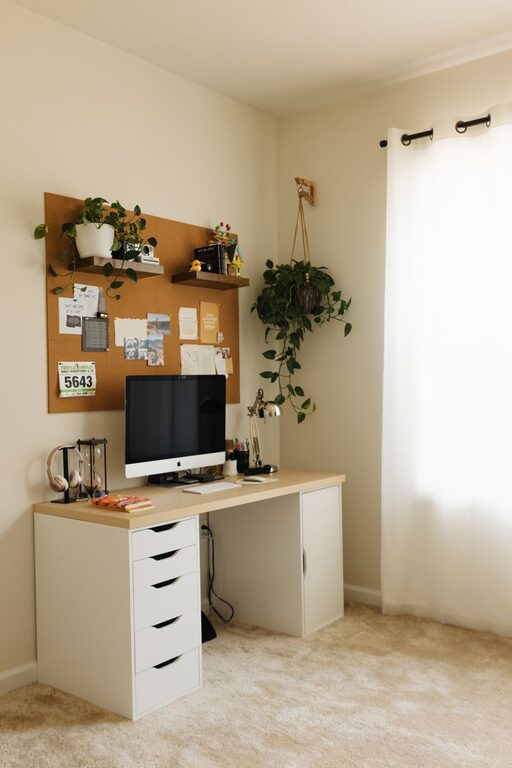
Position your desk near a window if possible. Natural light boosts mood and reduces eye strain. If natural light is limited, use good quality artificial lighting to keep your space bright and inviting.
Invest in Ergonomic Furniture
Comfortable Chair
A supportive chair is essential for long working hours. Look for adjustable features like height, lumbar support, and armrests to maintain good posture and avoid discomfort.
Functional Desk
Choose a desk that fits your space and work needs. Standing desks or adjustable desks can offer flexibility and promote better health.
Organize Your Space Effectively
Declutter Regularly
Keep your desk clear of unnecessary items. A tidy workspace can reduce stress and help maintain focus.
Use Storage Solutions
Incorporate shelves, drawers, or containers to keep office supplies organized. Labeling items can save time searching for what you need.
Manage Cables and Technology
Cable Management
Use cable organizers, clips, or sleeves to keep cords tidy and prevent tangles. This not only looks neat but also reduces hazards.
Reliable Equipment
Ensure your computer, printer, and other devices work efficiently. Invest in a good quality internet connection to avoid disruptions during work.
Customize Your Environment
Personal Touches
Add plants, artwork, or decor that inspire you without overwhelming the space. Greenery, for example, can improve air quality and reduce stress.
Temperature and Ventilation
Maintain a comfortable room temperature and ensure proper airflow. A stuffy or too cold room can distract you from work.
Establish Boundaries and Routines
Dedicated Work Hours
Set clear working hours to separate work from personal life. Communicate this schedule with others in your household to minimize interruptions.
Create Rituals
Start your day with a routine that signals the beginning of work, like making coffee or organizing your desk. This helps create a mental boundary between home and work.
Enhance Focus and Motivation
Use Task Lists
Keep a daily to-do list to prioritize tasks and track progress. Checking off completed tasks provides a sense of achievement.
Breaks and Movement
Take regular breaks to rest your eyes and stretch. Short walks or simple exercises can boost energy and creativity.
Optimize Digital Workspace
Organize Your Desktop and Files
Keep your computer desktop tidy and create clear file folders. Consistent digital organization saves time and reduces frustration.
Use Productivity Tools
Leverage apps for time management, note-taking, and communication to streamline your workflow.
—
Creating a productive home office takes thoughtful planning and ongoing adjustments to suit your lifestyle and work habits. By prioritizing comfort, organization, and focus, you can turn any space into a dedicated, efficient work environment. Start small, and gradually refine your setup until it feels just right for your needs.