
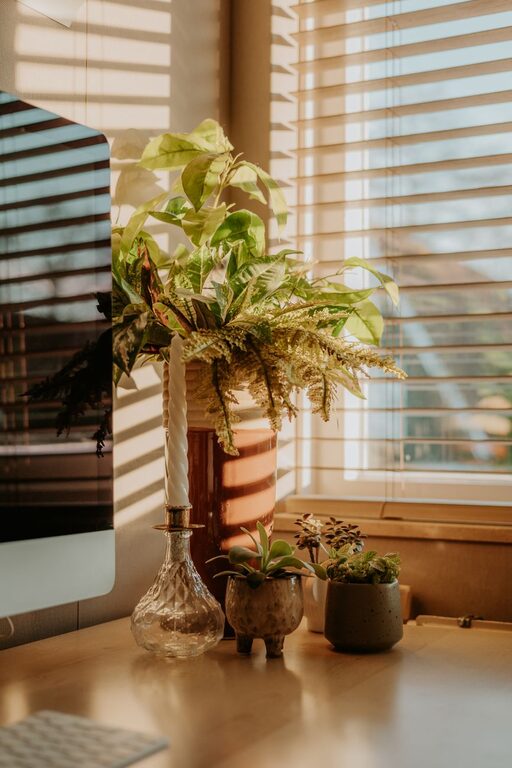
Creating a home office that feels cozy yet boosts your productivity can make a significant difference in your work-from-home experience. Whether you’re tackling daily tasks, attending virtual meetings, or working on creative projects, a thoughtfully designed space can help you stay focused and comfortable. Here are some tips to guide you through creating an inviting and efficient home office.
1. Choose the Right Location
Finding the ideal spot for your home office is the first step. Consider the following:
– Natural Light: A space near a window with plenty of natural light can lift your mood and reduce eye strain.
– Quiet Area: Pick a location away from household traffic or noisy appliances to minimize distractions.
– Space Availability: Ensure there’s enough room for your desk, chair, and any tools or equipment you need.
If space is limited, think about corners, sections of a room, or unused closets that can be transformed into a mini-workstation.
2. Invest in Comfortable and Functional Furniture
Comfort is key when you spend hours working at your desk. Pay attention to:
– Ergonomic Chair: Choose a chair with supportive cushioning and adjustable features to promote good posture.
– Desk Size: Pick a desk that fits your space and allows room for your computer, documents, and accessories.
– Adjustable Desk Options: Consider sit-stand desks to alternate between sitting and standing for better health.
Good furniture helps prevent discomfort and keeps your focus sharp.
3. Use Thoughtful Lighting
Proper lighting is crucial for both ambiance and functionality:
– Layered Lighting: Combine natural light, overhead lights, and task lighting to reduce shadows and glare.
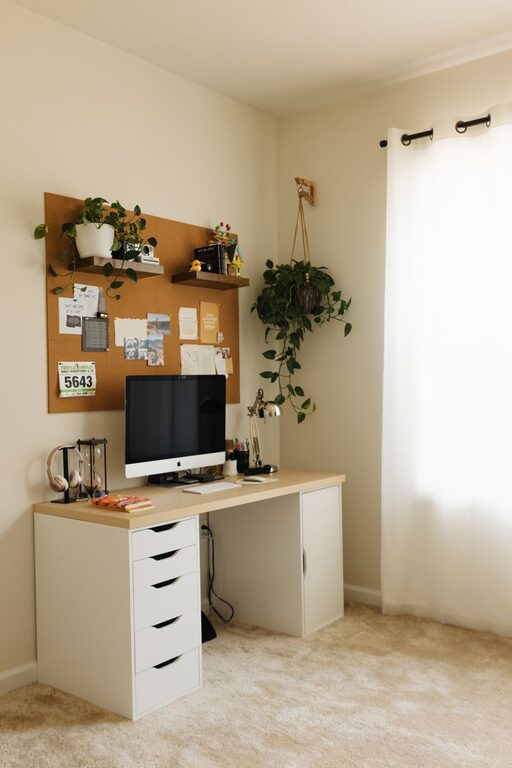
– Desk Lamps: Adjustable desk lamps help you focus light exactly where you need it.
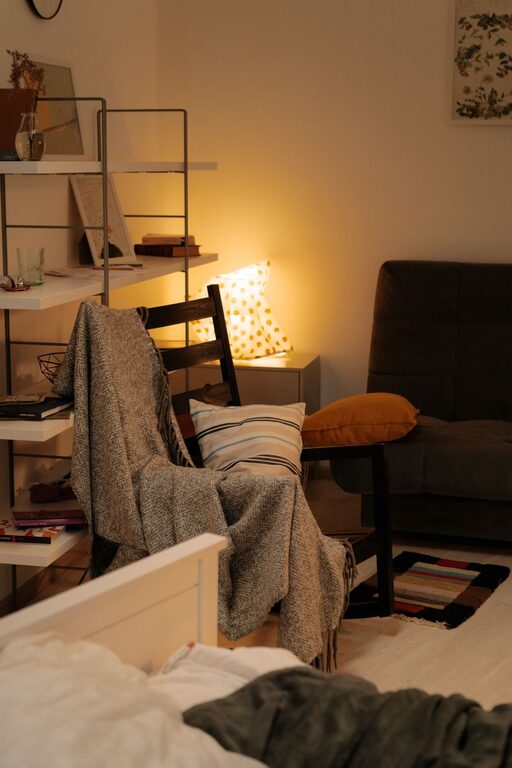
– Warm Light Bulbs: Opt for bulbs that emit soft, warm light to create a relaxing atmosphere without straining your eyes.
Good lighting can also improve your mood and energy levels.
4. Organize Your Space
A clutter-free workspace can enhance focus and lessen stress. Try these organization tips:
– Storage Solutions: Use shelves, drawers, and bins to keep office supplies and papers neatly arranged.
– Cable Management: Use clips or sleeves to keep cords tidy and out of the way.
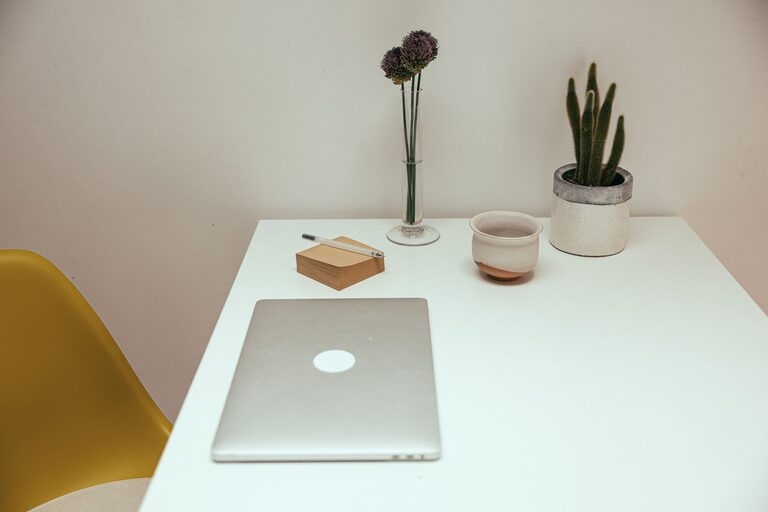
– Minimal Desk Items: Limit what’s on your desk to essentials to maintain a clean look.
Regularly decluttering your space supports a more productive mindset.
5. Personalize Your Workspace
Adding personal touches can make your workspace inviting and motivating:
– Decor: Hang inspiring artwork or photos that make you smile.
– Plants: Incorporate greenery to add life and improve air quality.
– Colors: Use colors that calm or energize you, depending on your preference (soft blues for calm, bright yellows for energy, etc.).
Personal touches keep your office feeling uniquely yours.
6. Minimize Distractions
Maintain productivity by reducing interruptions:
– Noise Control: Use noise-canceling headphones, white noise machines, or soundproofing mats.
– Separate Work and Leisure: Establish clear boundaries by turning off non-essential devices and notifications.
– Set Ground Rules: If you share your home, communicate your work hours to minimize disruptions.
Creating a distraction-free zone supports sustained focus.
7. Keep Essential Tools Within Reach
Efficiency is boosted when everything you need is easily accessible:
– Organizers: Desk trays and pen holders keep your tools handy.
– Tech Setup: Keep chargers, headphones, and other tech close at hand.
– Whiteboard or Planner: Use a calendar or task board nearby to track your to-dos.
Having the right tools organized improves workflow and reduces frustration.
8. Prioritize Air Quality and Comfort
A comfortable environment supports well-being and concentration:
– Ventilation: Open windows if possible or use air purifiers to keep air fresh.
– Temperature Control: Use fans, heaters, or humidifiers based on your climate.
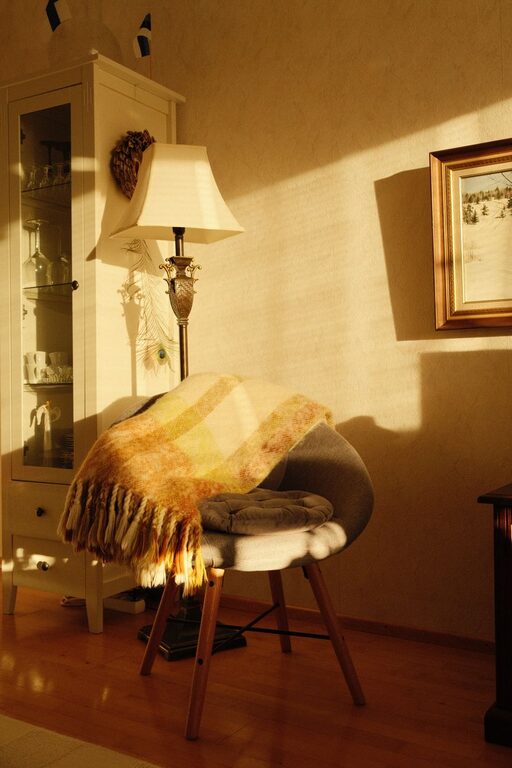
– Comfort Items: Add a cozy blanket or cushion for extra comfort during long work sessions.
Good air quality and comfort help you stay energized throughout the day.
9. Design for Flexibility
Your home office should adapt to your needs:
– Multi-Purpose Furniture: Use foldable desks or mobile carts to adjust the space as needed.
– Alternate Work Areas: Create secondary spots for brainstorming or breaks.
– Cable and Device Mobility: Use wireless devices and portable chargers to easily reorganize your layout.
Flexibility keeps your work environment fresh and functional.
—
By taking the time to design a cozy and productive home office, you create a space where work feels less like a chore and more like a pleasure. Remember, the goal is to balance comfort with efficiency so you can thrive in your remote or home-based work routine. Start with small changes and customize your space over time to best fit your workflow and personality. Happy decorating!